
Resolve what you can and close the work clearly
The fifth stage organizes the facts, relevant terms, and available options so escalation is a considered choice rather than the default.
Scroll to see all five stages
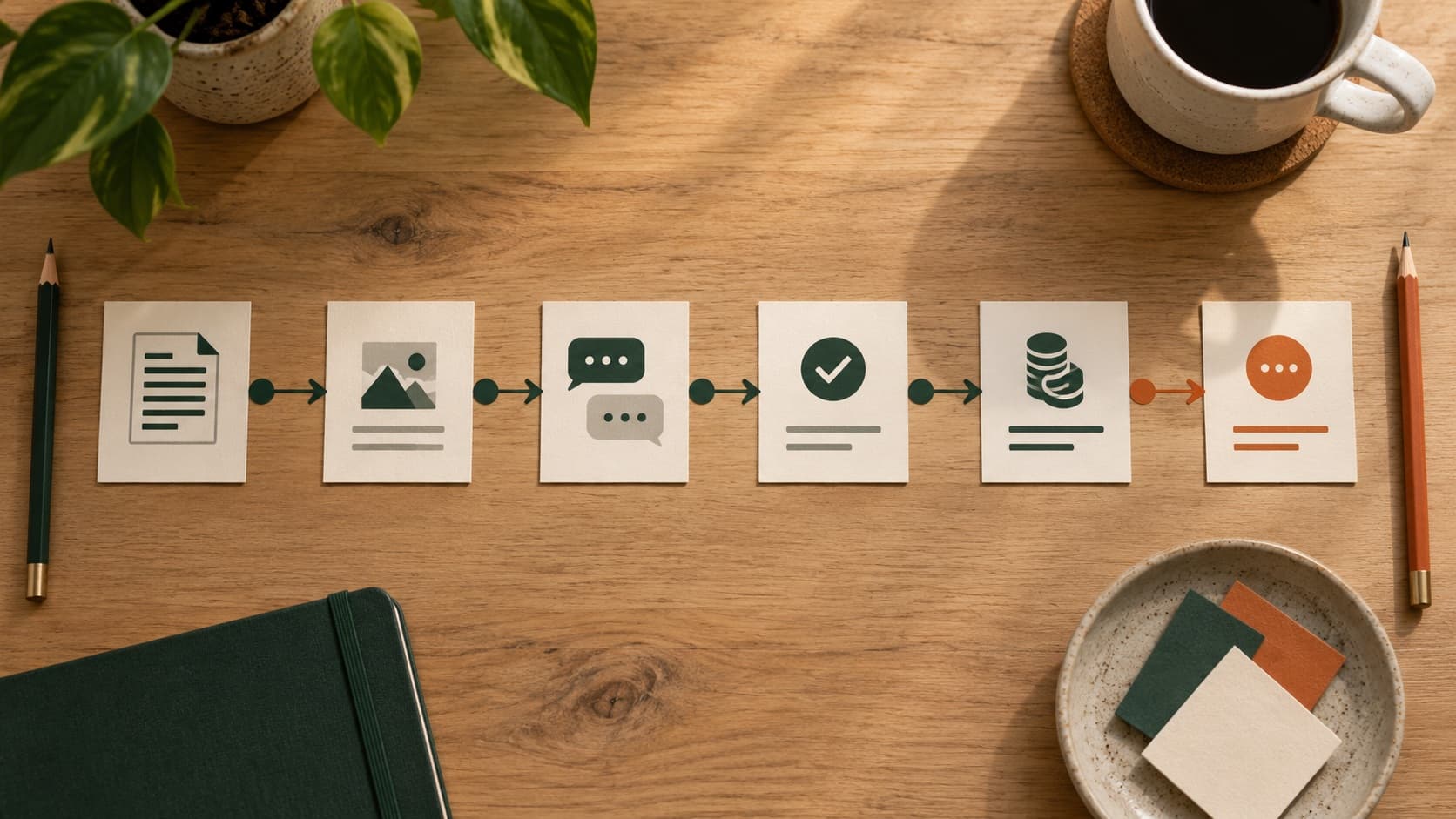
- 01ScopeScoping & ProposalsTurn the work, timing, and responsibilities into a shared plan.
- 02AgreeContracts & TermsUnderstand the wording, tradeoffs, and questions before signing.
- 03DeliverScope & CommunicationCompare new requests with the agreement and respond clearly.
- 04InvoiceInvoicing & PaymentCheck the figures and follow up without unnecessary friction.
- 05ResolveDisputes & Wind-downOrganize the facts and consider proportionate next steps.Current stage
Lucy’s Disputes & Wind-down tool
Disputes & Wind-down
Organize the facts, understand supplied wind-down terms, and consider practical next steps without escalating by default.
Your perspective
What Lucy checks
- Agreed and disputed facts
- Missing records or evidence
- Notice and cure wording
- Termination, payment, and ownership terms
- Resolution options by escalation level
- Kill-fee inputs and assumptions
Streamed as it is written
Lucy’s response
Lucy will organize the response into useful sections such as:
- Neutral chronology
- Agreed, disputed, and missing facts
- Relevant supplied terms
- Options in increasing order of escalation
- Draft next message
Worked example
A wind-down calculation with a separate contract question
Situation
The supplied clause says 25% of a $4,000 project fee is due on cancellation. A $500 deposit is identified as credit against that fee.
What stands out
The deterministic scenario is $4,000 × 25% = $1,000, less the supplied $500 credit, leaving $500. That arithmetic does not decide whether the clause applies or whether other sums are due.
Useful next step
Confirm the cancellation trigger, notice, completed work, deposit wording, deliverables, and effective date. Then propose a written close-out that lists payment, files, access, and continuing duties.
Separate the record from the disagreement
A neutral chronology makes it easier to see which points are documented, disputed, missing, or based on an assumption.
- Anchor events to the agreement, approved changes, delivery records, feedback, invoices, and notices.
- Label each party’s claim without presenting it as an established fact.
- Identify missing evidence and deadlines before deciding how far to escalate.
Compare resolution paths proportionately
The most forceful route is not always the most useful first route. Compare likely value with time, cost, relationship, evidence, and deadline risk.
- Start with a direct factual clarification or a bounded settlement proposal where appropriate.
- Use the platform or contract notice and dispute process when direct resolution stalls.
- Consider mediation, professional advice, or formal proceedings only with the relevant amounts, evidence, jurisdiction, and time limits in view.
What this tool cannot decide
Lucy can organize supplied facts and calculate a selected scenario. She cannot determine legal rights, credibility, enforceability, limitation periods, or the likely result of a platform or court process.
When human expertise matters
Seek prompt qualified help for formal notices, court or arbitration deadlines, insolvency, threats, harassment, data or security incidents, substantial IP disputes, or amounts you cannot safely risk.
Continue with the record

Common questions
Can Lucy determine who is legally right in a dispute?
No. Lucy can organize the chronology, separate agreed and disputed facts, explain relevant supplied terms, and outline practical options without declaring a legal winner.
Can Lucy calculate a termination or kill fee?
Lucy can show a calculation when the contract wording and figures are available. She labels assumptions and can provide scenarios when an important input is uncertain.
When should I speak with a lawyer?
Consider qualified local advice when substantial money, ownership, formal deadlines, threats, or proceedings are involved, or when the answer depends on local law or enforceability.